
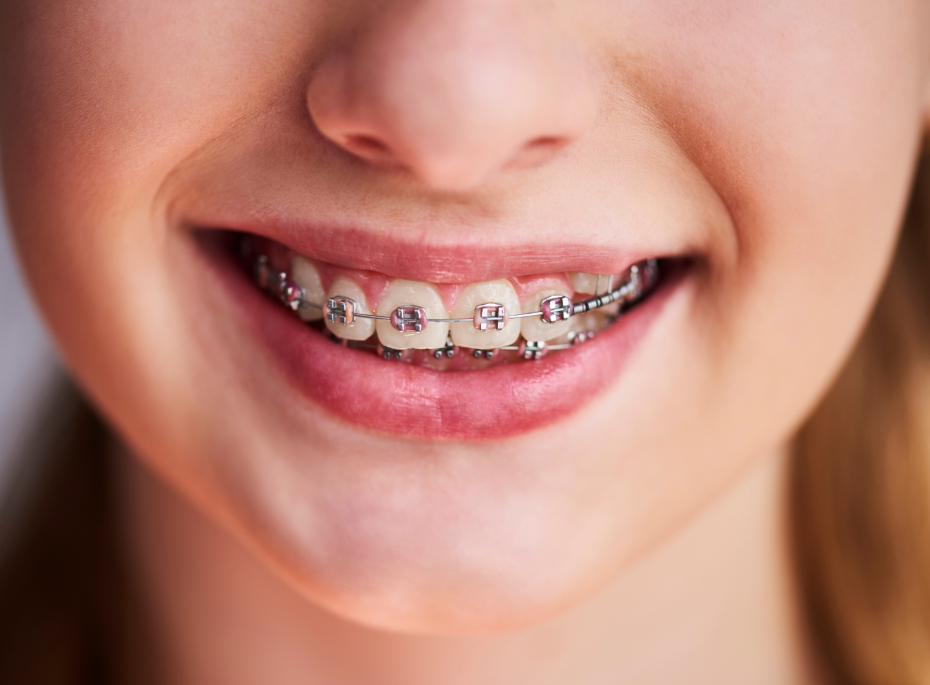
Getting braces is an exciting step toward a healthier, straighter smile. But once treatment begins, many patients are surprised when their orthodontist adds rubber bands—also called elastics—to the mix. If you’ve recently been told to start wearing them, you might be wondering why they’re necessary.
While they may seem like a small part of treatment, rubber bands play a big role in helping your teeth and jaw move into the correct position. Understanding why they’re used and how to wear them properly can help keep your treatment on track.
What Rubber Bands Do for Your Braces
Braces work by applying gentle, steady pressure to move teeth over time. The brackets and wires guide teeth into alignment, but sometimes additional force is needed to correct how the upper and lower teeth fit together.
That’s where rubber bands come in. Elastics connect to small hooks on your braces and create targeted pressure that helps shift the jaw and teeth into proper alignment. They’re often used to correct bite issues such as overbites, underbites, or crossbites.
In simple terms, rubber bands help coordinate the movement of your upper and lower teeth so your bite functions properly—not just so your smile looks great.
How Rubber Bands Work
Rubber bands are stretched between specific brackets on the top and bottom teeth. Your orthodontist will show you exactly where they should be attached, and the pattern may vary depending on your treatment plan.
When worn correctly, the elastics create a consistent pulling force that gradually guides the teeth and jaw into a healthier position. Over time, this steady pressure helps correct bite alignment and supports the overall movement of the teeth.
Because this process depends on consistent force, wearing rubber bands exactly as directed is important for achieving the desired results.
What Happens If You Don’t Wear Them
It might be tempting to skip wearing rubber bands occasionally, especially if they feel a little uncomfortable at first. However, inconsistent use can slow down your treatment progress.
When rubber bands aren’t worn regularly, the teeth and jaw can begin shifting back toward their original positions. This means the correction process essentially starts over each time they’re removed for long periods.
Following your orthodontist’s instructions closely can help ensure your treatment stays on schedule and prevent unnecessary delays.
Tips for Wearing Rubber Bands Successfully
Adjusting to rubber bands can take a little time, but a few simple habits can make the process easier.
First, wear them exactly as directed. Most patients need to wear their elastics nearly all day and night, removing them only when eating or brushing their teeth.
Second, change them regularly. Rubber bands lose elasticity over time, so replacing them with fresh ones throughout the day keeps the pressure consistent.
Finally, keep extras with you. Stashing a few in your bag, backpack, or locker ensures you can replace them if one breaks or gets lost.
The more consistent you are, the more effective your treatment will be.
A Small Step That Makes a Big Difference
Rubber bands may feel like a minor addition to your braces, but they’re often essential for creating a balanced, properly aligned bite. By wearing them as instructed, you’re helping ensure that your orthodontic treatment delivers the best possible results.
Staying consistent now can bring you one step closer to the healthy, confident smile you’re working toward.
About the Practice
Dr. Jessica Cohen Orthodontics provides personalized orthodontic care for patients of all ages in a welcoming and supportive environment. Dr. Jessica Cohen and her team focus on creating customized treatment plans using modern orthodontic techniques, including traditional metal braces, to help patients achieve healthy, confident smiles. Our patient-centered approach emphasizes education, comfort, and clear communication throughout every stage of treatment.
Call us at (224) 427-6800 or schedule your appointment online.