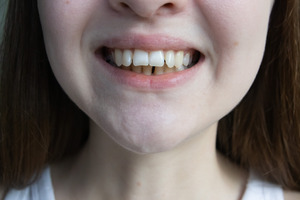
An overbite is when the upper teeth are too far in front of the lower teeth. This is a very common bite problem, but far too many people assume that it is only an aesthetic issue. The fact of the matter is that if your misaligned bite isn’t fixed, it could lead to all sorts of complications. If you have a significant overbite, here are 4 reasons why it’s in your best interest to visit your orthodontist for non-surgical bite correction.
1. It Could Improve Your Ability to Perform Basic Tasks
When you have an overbite, your teeth may not function as they should. You may have difficulty chewing your food as thoroughly as you need to, which can contribute to digestive problems. On top of that, an overbite can affect your ability to speak, potentially resulting in a lisp or another speech impediment. Having your overbite corrected can go a long way toward making speaking and eating easier.
2. It Could Help You Avoid Gum Problems
One of the less obvious consequences of an overbite is that it can damage your gums. In cases where there’s severe misalignment, the lower front teeth may come in contact with the gum tissue behind the upper front teeth. Over time, this can significantly damage the tissue and ultimately result in gum recession, which in turn can increase your risk for cavities. As such, fixing your overbite could be an important step for keeping your gums and the rest of your smile safe.
3. It Can Prevent Excessive Enamel Erosion
If your teeth overlap too much, they may end up repeatedly sliding against each other. As you can likely imagine, this can easily lead to excessive wear and tear on your enamel. Not only is worn-down enamel more susceptible to decay, but it can also make your teeth more sensitive to hot and cold foods. By having your overbite corrected, you can protect your teeth from unnecessary damage.
4. It Can Help Relieve Jaw Pain
A badly misaligned bite can put a lot of strain on the temporomandibular joints (TMJs) that allow you to move your jaw. This can ultimately lead to a TMJ disorder, which is characterized by chronic jaw pain and headaches. Correcting the overbite that’s contributing to your jaw problems could be the first step toward enjoying lasting relief.
Forcing yourself to live with an overbite simply isn’t the best plan in the long term. It’s better to take the appropriate steps to have the issue corrected so that you can ultimately improve your oral health and your quality of life.
About the Author
Dr. Jessica Cohen is a board-certified orthodontist in Highland Park. After earning her dental degree at Case Western Reserve University, she studied orthodontics at the University of Illinois at Chicago. At her practice, Dr. Jessica Cohen Orthodontics, she strives to help her patients enjoy their best smiles with a wide range of services, including non-surgical bite correction. If you’re looking for a solution for your overbite, you can schedule an appointment with Dr. Cohen by visiting her website or calling (224) 427-6800.